A sinking foundation, which occurs when the soil underneath a structure can’t support its weight, can lead to severe foundation problems if it’s not repaired properly. Knowing why foundations sink and how to identify common signs of foundation settlement issues can help homeowners fix sinking foundations and prevent long-term damage.
What Does It Mean If a Foundation “Sinks”?
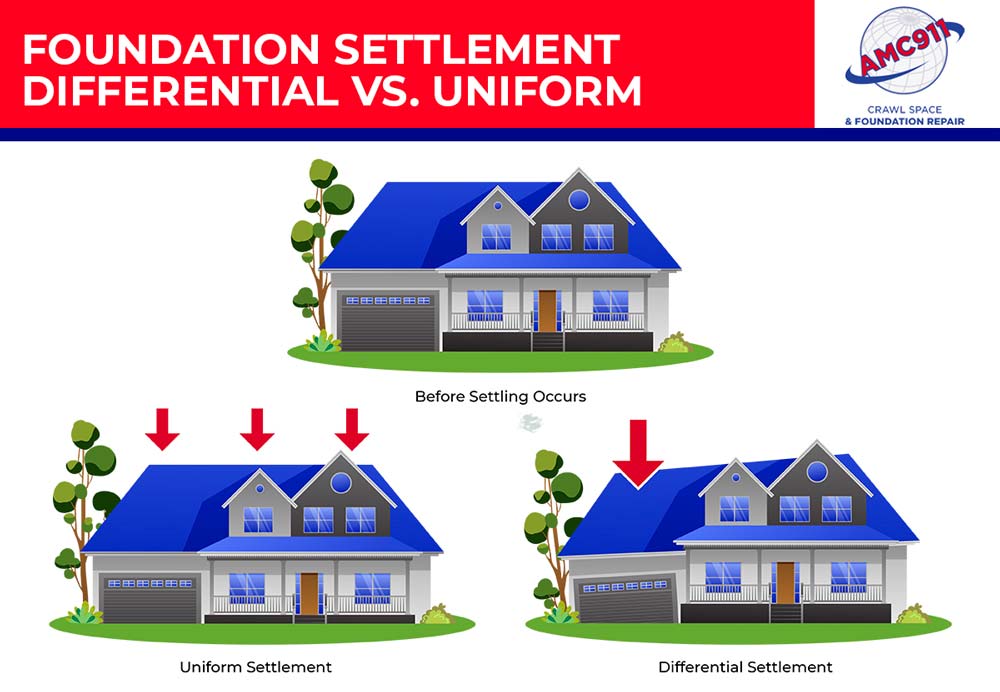
Foundation sinking refers to differential settlement, or when a structure is settling into the ground unevenly. While a slight amount of uniform settlement after construction is normal, differential settlement can cause major foundation issues. Differential settlement places enormous stress on a foundation and, if it isn’t repaired, will eventually cause structural damage.
Why Do Foundations Sink?
The leading causes of differential settlement include the following:
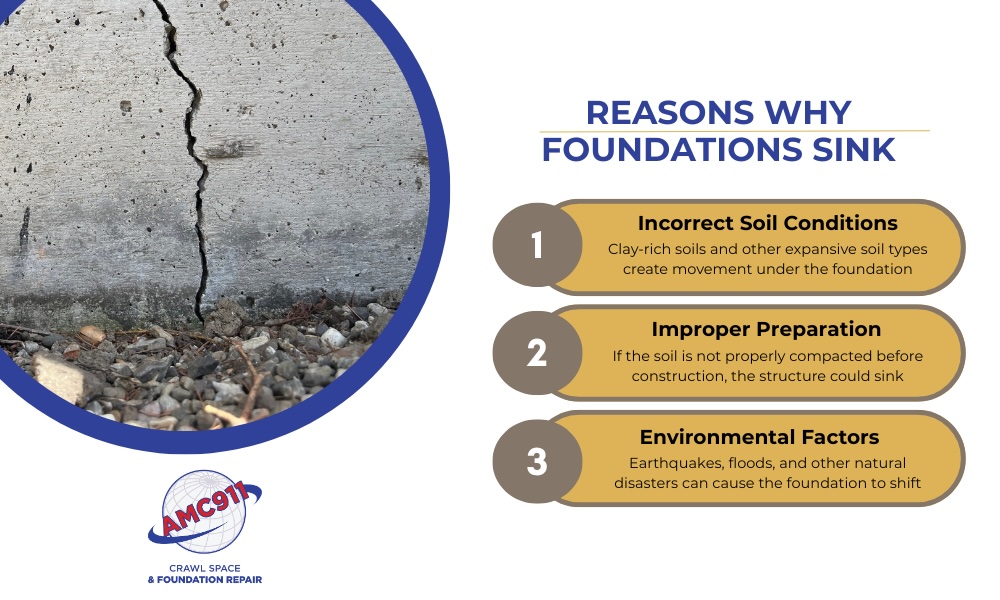
- Expansive Soil: Clay soils expand when it absorbs water and shrinks when it dries out. This creates movement under the foundation and can, over time, cause a foundation to sink into the ground unevenly.
- Erosion-Prone Soil Conditions: Other types of soil are prone to erosion, which can lead to the formation of voids under the foundation. If the foundation sinks into the voids, there will be differential settlement.
- Improper Site Preparation: Soil must be compacted before construction begins. If this isn’t done correctly, the structure could sink into the ground unevenly after it’s built.
- Earthquakes and Other Environmental Factors: Anything that causes the ground to move under the foundation and create differential settlement.
Common Signs a Foundation Is Sinking
Common warning signs of a sinking foundation include, but aren’t limited to, the following:
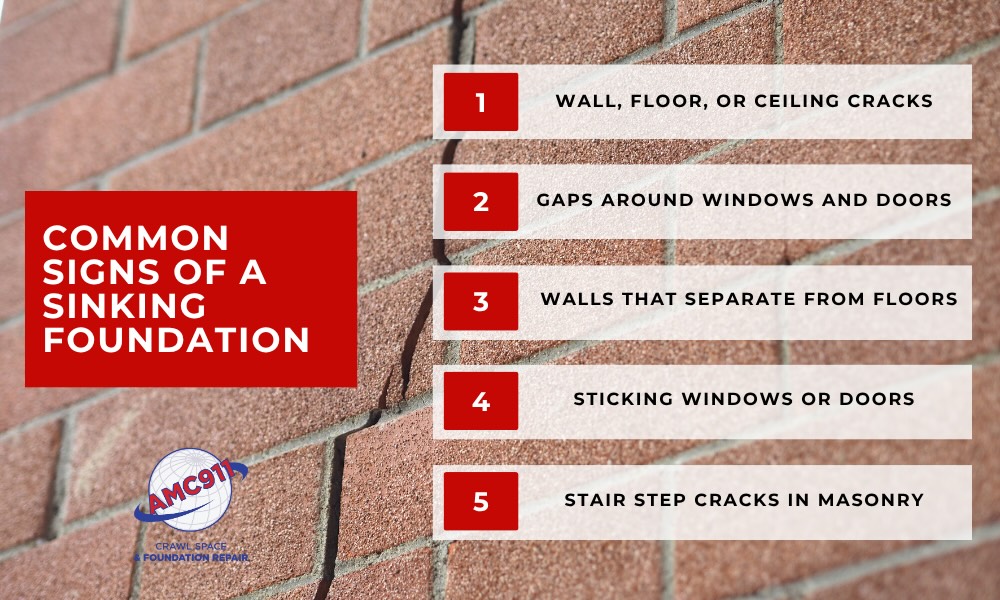
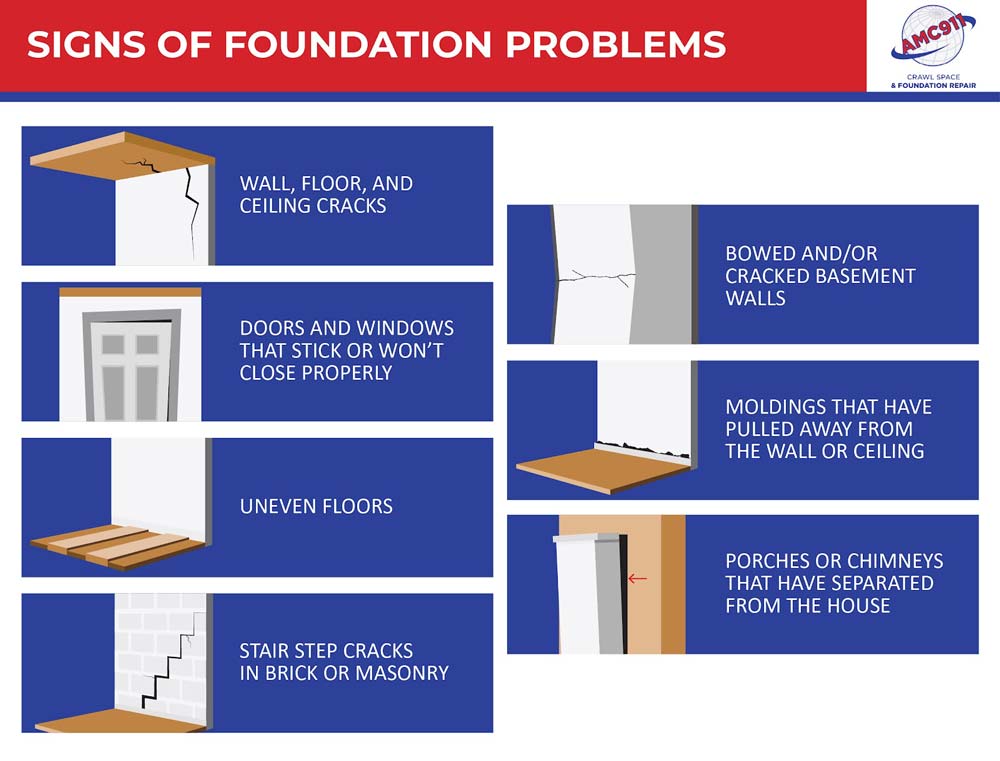
- Cracks in the walls, floors, or ceilings
- Uneven floors
- Doors and windows that no longer open and close correctly
- Gaps around windows and doors
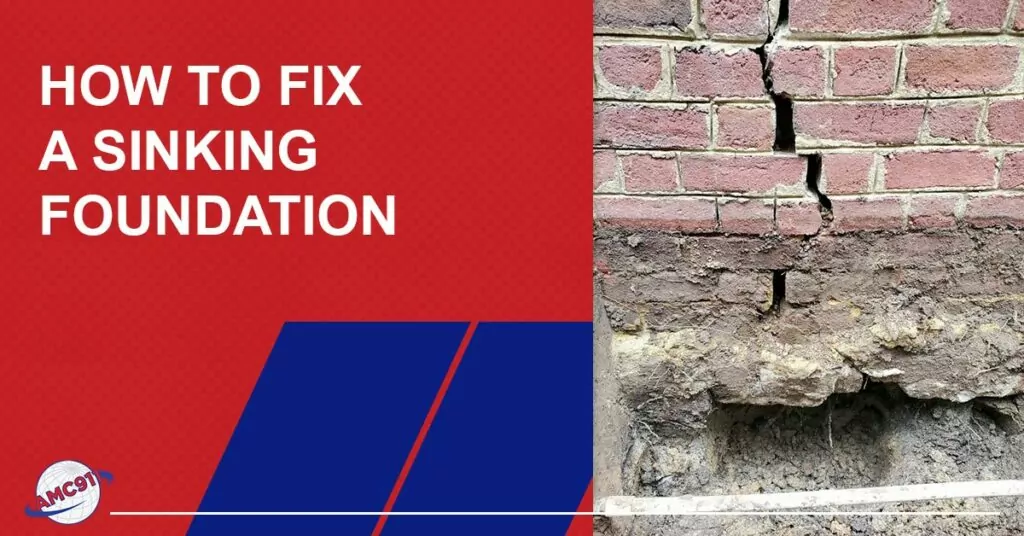
- Stair step cracks in brick or masonry
- A wall that’s separating from the floor or ceiling
- Torn or wrinkled wallpaper
If you suspect your home is experiencing differential foundation settlement, consult a professional foundation repair contractor immediately. They’ll be able to assess the situation and determine the best course of action.
How to Fix a Sinking Foundation
Underpinning
Underpinning using foundation piers has proven to be one of the most effective types of foundation repair solutions for differential settlement. This technique involves installing push piers, helical piers, or slab piers under the foundation to support the structure’s weight and provide stability against further settlement.
An underpinning installation can be completed within a few project days with little disturbance to the homeowner. This minimally-invasive repair solution requires minimal disruption to the surrounding area. At AMC911, we use high-grade steel foundation piers to provide full protection for your home.
For more information about underpinning, see Foundation Underpinning Methods – Which is Best for My Home?
Polyurethane Foam
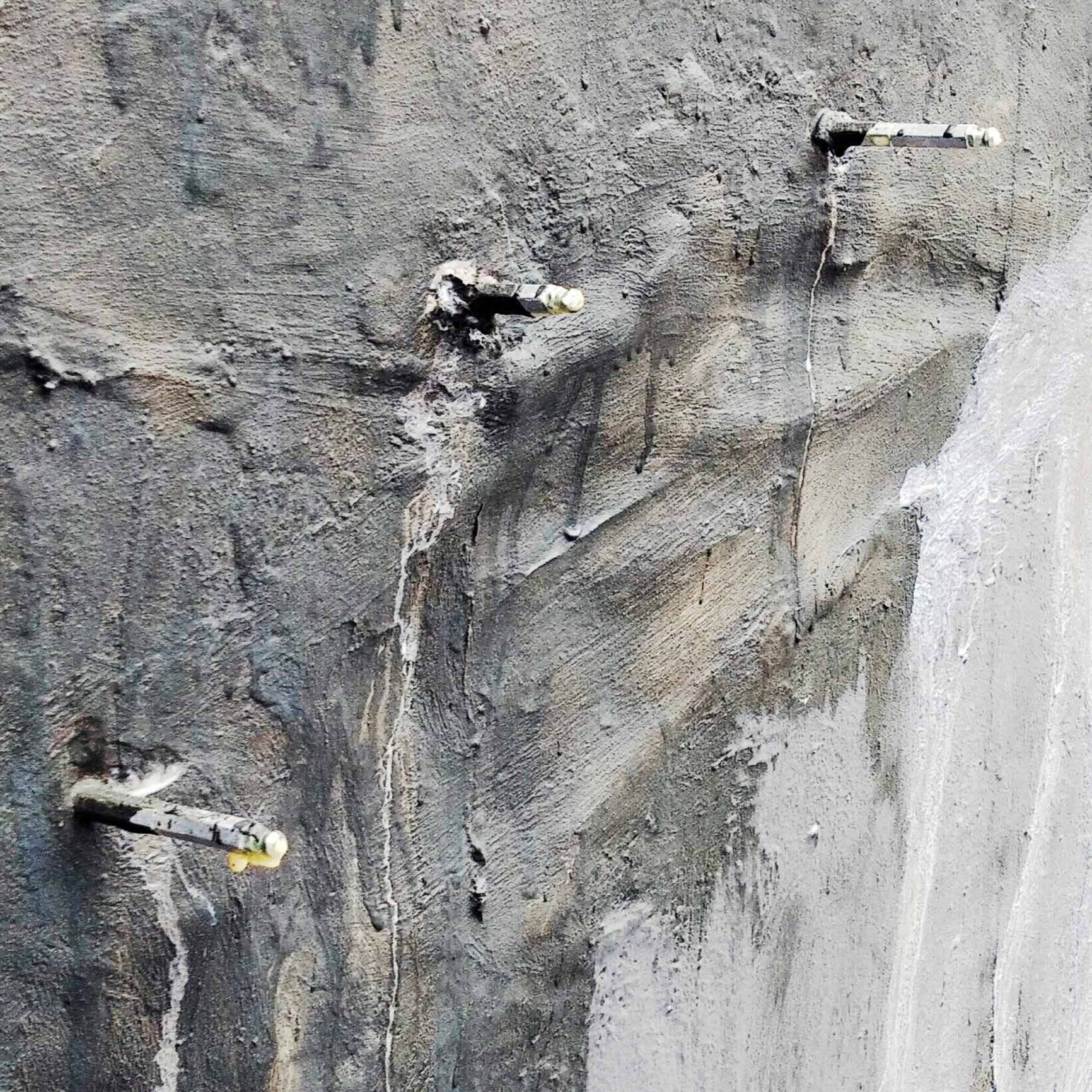
Polyurethane foam injection, or poly jacking, involves injecting a soil-stabilizing foam material under the foundation, creating a retainer wall with a waterproofing barrier. This non-invasive solution is used to strengthen the soil and protect the home’s structural integrity.
At AMC911, we use Terra-Lok for soil stabilization.
How Much Does It Cost to Repair a Sinking Foundation?
The cost of repairing differential foundation settlement depends on several factors, including the severity of the damage, the type of repair required, and the condition of the soil under the structure.
Typically, the cost of repairing differential foundation settlement ranges from $5,000 to $10,000. However, in extreme cases where the damage is severe, the cost can exceed $10,000. The cost of repairing differential settlement may also vary depending on the region, with some areas charging more due to higher labor costs.
Early detection and repair of differential foundation settlement can save homeowners thousands of dollars in future repair costs. If left unaddressed, a sinking foundation can lead to further damage that will be more expensive to fix.
How to Prevent Your Home’s Foundation From Sinking
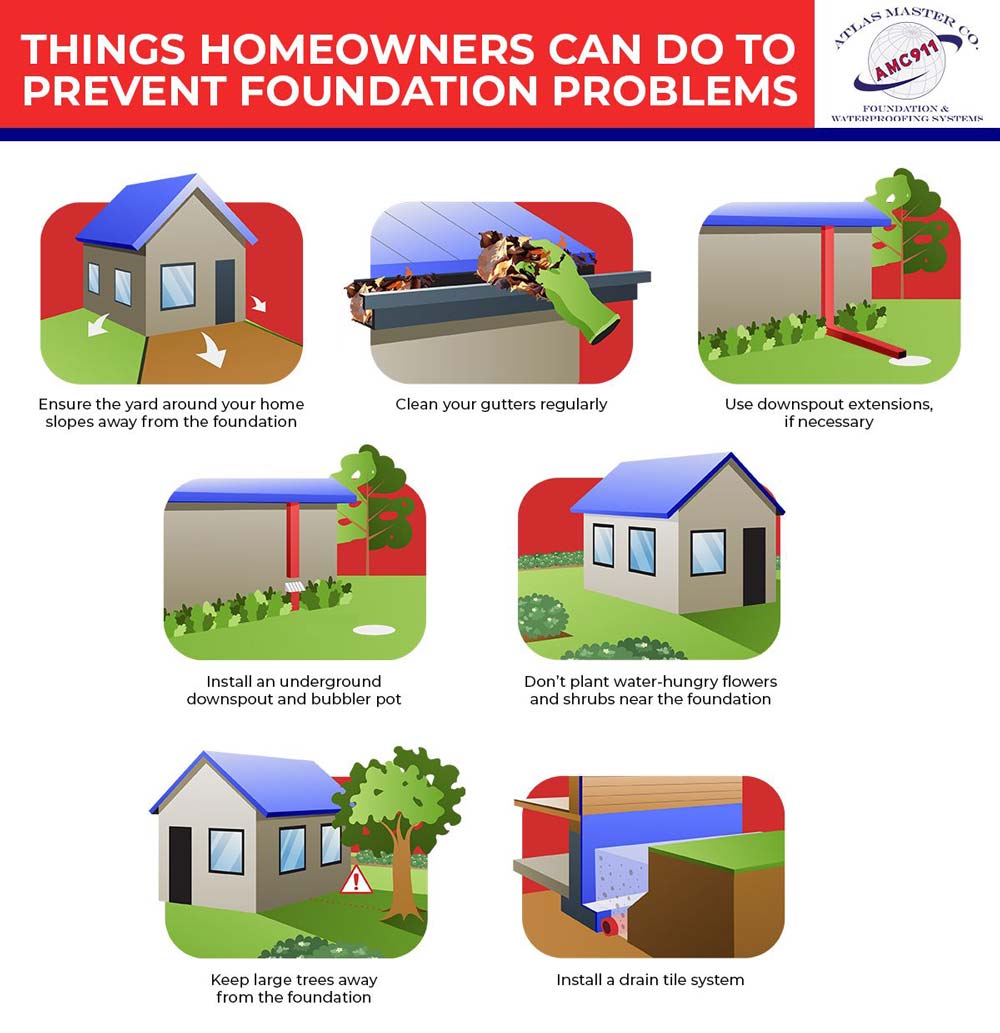
The good news is there are things homeowners can do that will help prevent their home’s foundation from sinking. Since most foundation problems are caused by poor drainage, you can go a long way toward preventing trouble by simply getting groundwater and excess moisture in the ground around the foundation under control. Here are some ways to accomplish this:
- Clean Gutters Regularly: This will prevent debris from collecting and causing water to spill over the side of the house and soak the ground around the foundation.
- Install Downspout Extensions: These extend the downspouts away from the house a minimum of 15 feet, directing water away from the foundation before release. This reduces the amount of water that comes into contact with the foundation and helps prevent the soil from becoming too saturated.
- Regrade The Yard, If Necessary: This involves reshaping the ground surrounding the house to ensure that water flows away from the foundation and towards the outer edges of the yard. This promotes proper drainage and prevents groundwater from pooling around the foundation.
- Keep Trees Away From Foundation: Tree roots can cause significant damage to the foundation since they can disrupt the soil under the foundation and cause differential settlement as they grow. It’s essential to maintain an adequate distance between trees and the foundation to reduce the risk of costly repairs.
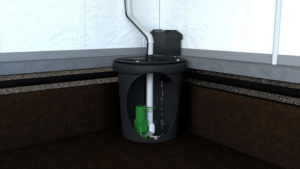
- Install a Drain Tile System: A drain tile system is today’s most effective foundation waterproofing system. It involves placing perforated pipes around the foundation at the footing level and directing them to a sump pit. Once the pit fills with water, a sump pump turns on and ejects the water away from the foundation.
Reduce Your Foundation’s Risk of Settlement with AMC911
If you’re concerned you might have a sinking foundation, contact AMC911 Crawl Space & Foundation Repair. We have provided foundation repair services to Hampton Roads and the nearby areas for over 30 years. Our local experts will care for your home as if it were our own and help you find a permanent solution. Give us a call or schedule a free foundation evaluation today.