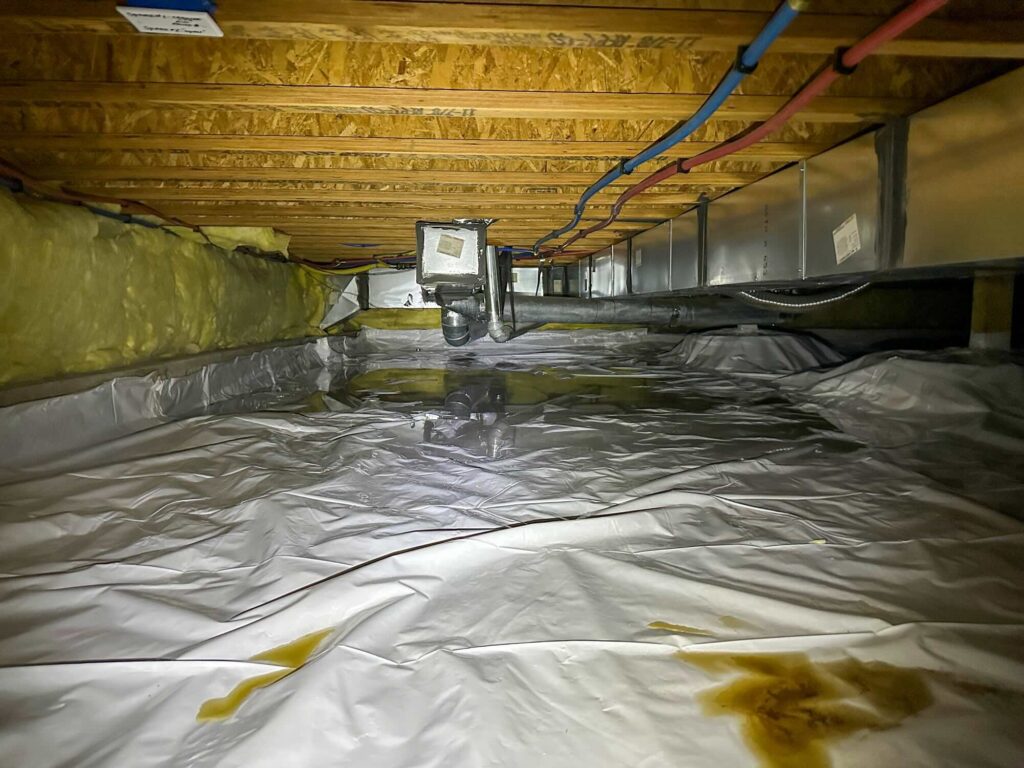

Why You Don’t Want Moisture In Your Crawl Space
Moisture issues can lead to numerous problems that can be detrimental to your home’s structural integrity and your family’s health.
- When moisture collects in this space underneath your home, it can encourage the growth of mold and mildew, which can trigger allergies, asthma, and other respiratory issues.
- This dampness can attract termites, rodents, cockroaches, and other pest infestations.
- Moisture damage can also cause wood rot, weakening your home’s foundation and compromising its stability.
- Excessive moisture in your crawl space can create a breeding ground for bacteria and other harmful microorganisms.
For maximum moisture protection, you can install a crawl space vapor barrier, seal any leaks, and ensure proper drainage around the foundation. Regular inspections and maintenance can also help detect and prevent problems before they escalate, allowing you to address issues promptly and avoid costly repairs.
Benefits Of A Crawl Space Vapor Barrier
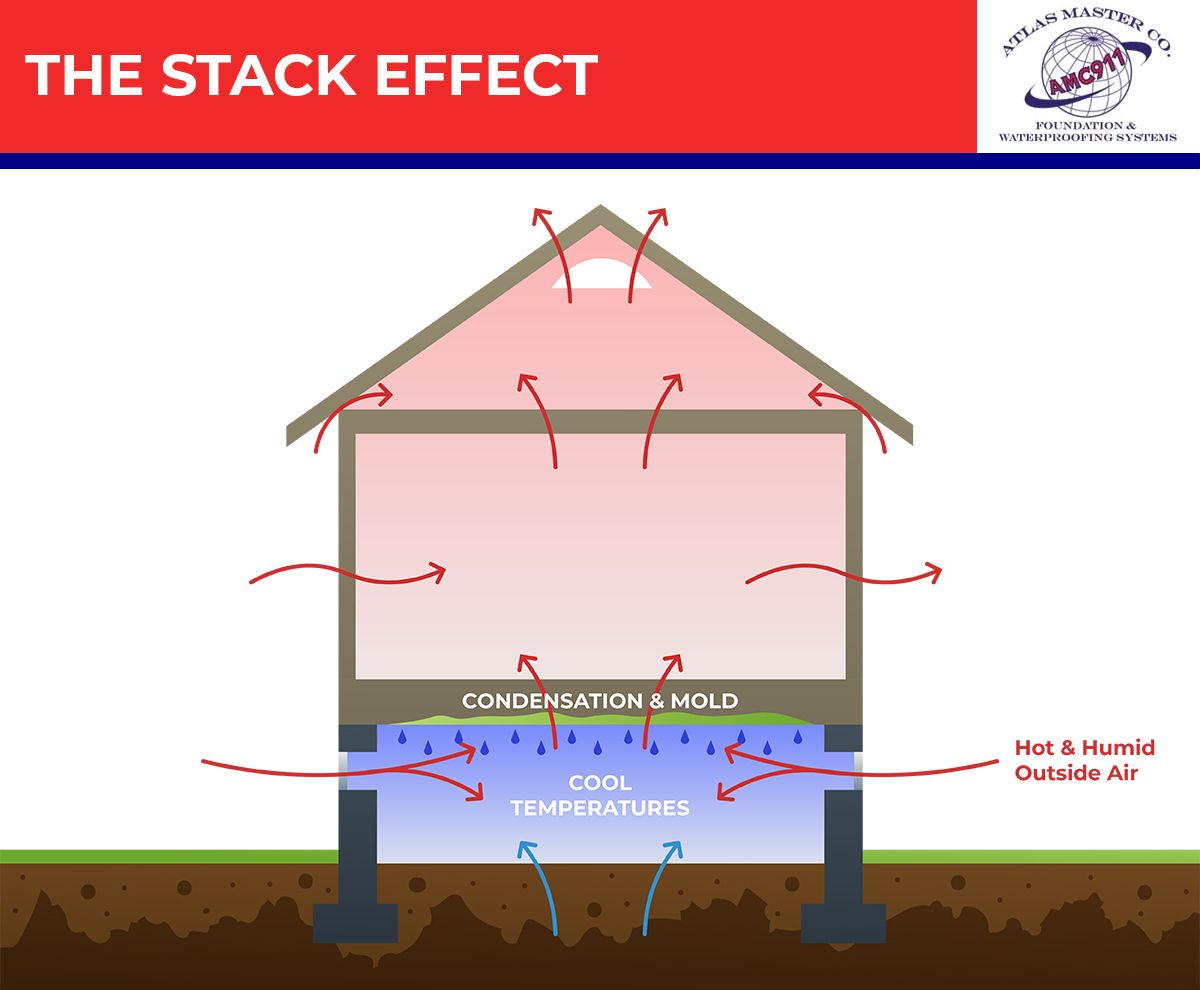
- Moisture Control: When moisture enters a crawl space, it can lead to the growth of mold and mildew. These substances can quickly spread to the rest of the home via the stack effect. A vapor barrier blocks moisture from entering the crawl space, preventing the growth of mold and mildew.
- Potential Energy Bill Savings: When moisture enters a crawl space, it can lead to humidity buildup and cause the air conditioning unit or heater to work harder. With a vapor barrier, humidity in the crawl space is lower, making your home more energy-efficient.
- Improved Indoor Air Quality: With mildew and mold growth prevented, the air in the house becomes significantly healthier and cleaner.
How Is a Vapor Barrier Installed?
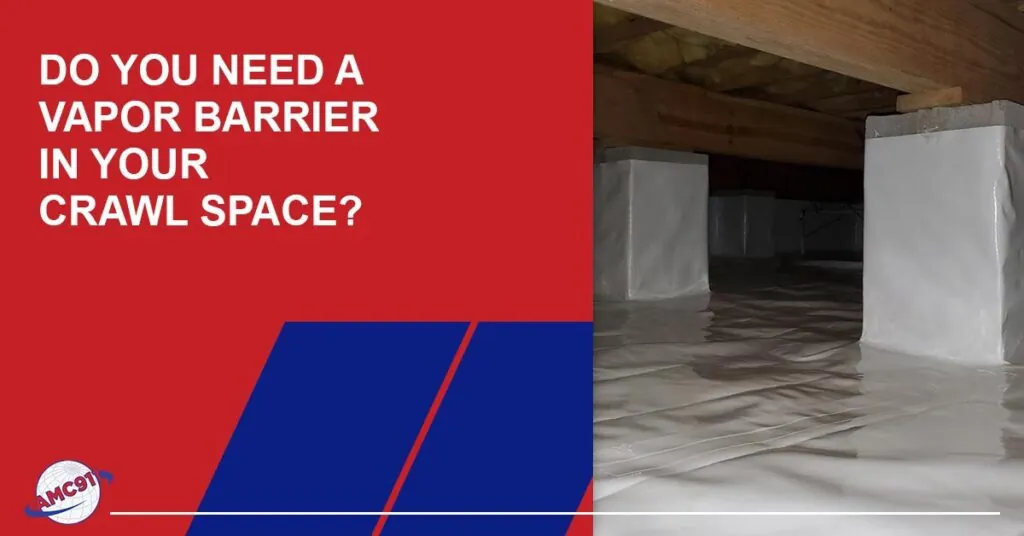
A crawl space vapor barrier, typically made of plastic or synthetic materials like polyethylene or polypropylene, is placed on top of the dirt crawl space floor. Before installing the vapor barrier, the surface should be clean and debris-free.
The vapor barrier should be placed on the warm side of the insulation. This is based on the idea that warm air holds more moisture than cold air. For example, if the insulation is between the wall studs, the vapor barrier should be placed on the inside of the wall, facing the interior of the building. Placing the barrier on the warm side prevents this warm, moist air from penetrating the insulation and coming into contact with the cold surface on the other side, where it can condense and cause problems.
What About DIY Vapor Barrier Installation?
DIY vapor barrier installation is enticing for those who enjoy tackling home improvement projects or want to save money on labor costs. However, this may not always be the best choice, especially if you lack experience installing vapor barriers in a crawl space. Without proper installation, the vapor barrier won’t be as effective.
It is essential to consider the potential risks and challenges before beginning a DIY vapor barrier project. Hiring a professional to install a vapor barrier can give you peace of mind knowing that the job has been done correctly and efficiently, reducing the risk of damage to your home or health.
Is There A Difference Between A Vapor Barrier And Encapsulation?
When it comes to moisture management in homes and buildings, the terms vapor barrier and encapsulation are often used interchangeably. However, there is a fundamental difference between these two methods.
A vapor barrier is a durable material that makes it harder for water vapor to enter your crawl space through the dirt floor. This is why it’s sometimes referred to as a vapor-retarding barrier.
On the other hand, crawl space encapsulation involves not only covering the floor of the crawl space with a thick vapor-retarding barrier but also sealing the vents and covering the walls.
Although both methods aim to reduce moisture levels in the crawl space, they differ in scope and application. Vapor barriers make it harder for moisture from the dirt floor to enter the crawl space. Encapsulation kicks it up a notch and creates a completely sealed environment, preventing moisture from getting through. Most homeowners who encapsulate their crawl space also add a dehumidifier to ensure the humidity level stays low.